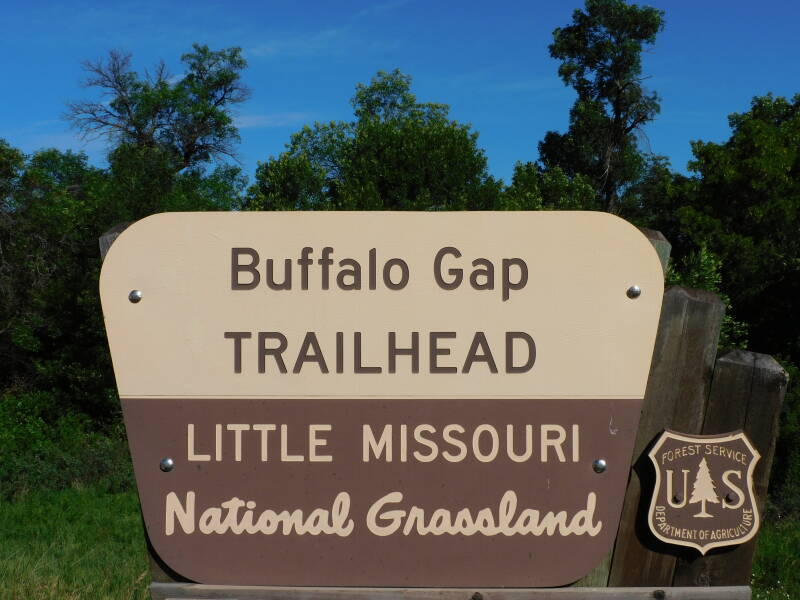
For many people, paying a campground fee at a national park or national forest can seem frustrating. After all, these are public lands that belong to everyone. "Where does that money actually go?", is a fair question to ask.
The answer is that camping fees generally do not disappear into a giant federal budget. Instead, much of that money is reinvested directly into the places where it was collected, helping maintain campgrounds, trails, and visitor services that make these public lands enjoyable and safe (National Park Service, 2025).
More Than Just a Campsite
Camping fees support much more than a patch of ground. They help pay for restroom maintenance, trash collection, potable water systems, campground hosts and seasonal staff, road maintenance, picnic tables and fire rings, trail repairs, visitor centers, educational programs, and emergency services. These facilities experience heavy use throughout the year and require constant upkeep to remain safe and functional.
When visitors arrive at a campground, many of the amenities they take for granted. From clean drinking water to well-maintained roads, these are made possible in part through recreation fees. Even routine maintenance, such as replacing damaged fire rings or repairing campsites after storms, requires funding and personnel.
Where Does the Money Go?
The National Park Service, U.S. Forest Service, Bureau of Land Management, and several other federal agencies collect recreation fees under the Federal Lands Recreation Enhancement Act (FLREA). Under this law, most recreation fee revenue remains where it was collected.
For the National Park Service, at least 80 percent of recreation fee revenue stays at the park that generated it. The remaining portion helps support parks that collect little or no recreation fee revenue, ensuring that smaller or less-visited parks can still maintain facilities and provide quality visitor experiences (National Park Service, 2025).
The U.S. Forest Service and Bureau of Land Management operate under similar authority. Recreation fees collected on forests and public lands are commonly reinvested into campground maintenance, trail improvements, visitor services, resource protection, and public safety (Congressional Research Service, 2023).
Why Are Camping Fees Important?
Camping fees have become increasingly important as visitation to public lands continues to rise. Millions of visitors each year place significant demands on roads, campgrounds, trails, restrooms, and other infrastructure. Without a reliable funding source, deferred maintenance can grow quickly, resulting in deteriorating facilities, fewer visitor services, and longer repair times.
These fees also provide flexibility for land managers, allowing them to respond to issues more quickly than they could by relying solely on annual appropriations from Congress. Whether repairing flood damage, replacing aging infrastructure, or hiring seasonal staff during busy summer months, recreation fees help agencies keep public lands safe and enjoyable.
A Balanced Perspective
Camping fees are sometimes controversial. Some people believe public lands should always be free to use, while others argue that modest fees are necessary to maintain the facilities everyone enjoys.
Both viewpoints have merit. Public lands belong to all Americans, and many opportunities remain free of charge. In fact, only about 30 percent of federal recreation sites charge entrance or camping fees, while dispersed camping across much of the National Forest System and Bureau of Land Management lands remains free (Congressional Research Service, 2023).
Ultimately, the goal of camping fees is not to generate profit. Instead, they help preserve the quality of recreation opportunities while protecting the natural and cultural resources that make these places worth visiting.
Conclusion
The next time you reserve a campsite, it is worth remembering that your fee supports much more than your overnight stay. It helps maintain roads, repair trails, clean facilities, fund seasonal employees, and protect the landscapes that millions of people visit every year.
Camping fees are one of the many tools that allow federal land management agencies to care for America's public lands. While no one enjoys paying extra expenses, those relatively small contributions help ensure that national parks, national forests, and other public lands remain safe, accessible, and enjoyable for future generations.
Works Cited
Congressional Research Service. Federal Lands Recreation Enhancement Act (FLREA): Overview and Issues. Congressional Research Service, 2023.
National Park Service. Your Fees at Work. U.S. Department of the Interior, 2025.
Add comment
Comments